
3 midyear tax planning strategies for individuals
 In the quest to reduce your tax bill, year end planning can only go so far. Tax-saving strategies take time to implement, so review your options now. Here are three strategies that can be more effective if you begin executing them midyear:
1. Consider your bracket
The top income tax rate is 39.6% for taxpayers with taxable income over $418,400 (singles), $444,550 (heads of households) and $470,700 (married filing jointly; half that amount for married filing separately). If you expect this year’s income to be near the threshold, consider strategies for reducing your taxable income and staying out of the top bracket. For example, you could take steps to defer income and accelerate deductible expenses. (This strategy can save tax even if you’re not at risk for the 39.6% bracket or you can’t avoid the bracket.)
You could also shift income to family members in lower tax brackets by giving them income-producing assets. This strategy won’t work, however, if the recipient is subject to the “kiddie tax.” Generally, this tax applies the parents’ marginal rate to unearned income (including investment income) received by a dependent child under the age of 19 (24 for full-time students) in excess of a specified threshold ($2,100 for 2017).
2. Look at investment income
This year, the capital gains rate for taxpayers in the top bracket is 20%. If you’ve realized, or expect to realize, significant capital gains, consider selling some depreciated investments to generate losses you can use to offset those gains. It may be possible to repurchase those investments, so long as you wait at least 31 days to avoid the “wash sale” rule.
Depending on what happens with health care and tax reform legislation, you also may need to plan for the 3.8% net investment income tax (NIIT). Under the Affordable Care Act, this tax can affect taxpayers with modified adjusted gross income (MAGI) over $200,000 ($250,000 for joint filers). The NIIT applies to net investment income for the year or the excess of MAGI over the threshold, whichever is less. So, if the NIIT remains in effect (check back with us for the latest information), you may be able to lower your tax liability by reducing your MAGI, reducing net investment income or both.
3. Plan for medical expenses
The threshold for deducting medical expenses is 10% of AGI. You can deduct only expenses that exceed that floor. (The threshold could be affected by health care legislation. Again, check back with us for the latest information.)
Deductible expenses may include health insurance premiums (if not deducted from your wages pretax); long-term care insurance premiums (age-based limits apply); medical and dental services and prescription drugs (if not reimbursable by insurance or paid through a tax-advantaged account); and mileage driven for health care purposes (17 cents per mile driven in 2017). You may be able to control the timing of some of these expenses so you can bunch them into every other year and exceed the applicable floor.
These are just a few ideas for slashing your 2017 tax bill. To benefit from midyear tax planning, consult us now. If you wait until the end of the year, it may be too late to execute the strategies that would save you the most tax.
© 2017

 Tax reform has been a major topic of discussion in Washington, but it’s still unclear exactly what such legislation will include and whether it will be signed into law this year. However, the last major tax legislation that was signed into law — back in December of 2015 — still has a significant impact on tax planning for businesses. Let’s look at three midyear tax strategies inspired by the Protecting Americans from Tax Hikes (PATH) Act:
 What could stop your company from operating for a day, a month or a year? A flood or fire? Perhaps a key supplier shuts down temporarily or permanently. Or maybe a hacker or technical problem crashes your website or you suddenly lose power. Whatever the potential cause might be, every business needs a disaster recovery plan.

 Under the tax code, no deduction can be claimed on your tax return for any contribution to a charitable organization of $250 or more unless the taxpayer substantiates the contribution with a contemporaneous written acknowledgment of the contribution by the donee organization. For donations of money, the donee’s written acknowledgment must state the amount contributed, indicate whether the organization provided any goods or services in consideration for the contribution, and if so, provide a description and good faith estimate of the value.
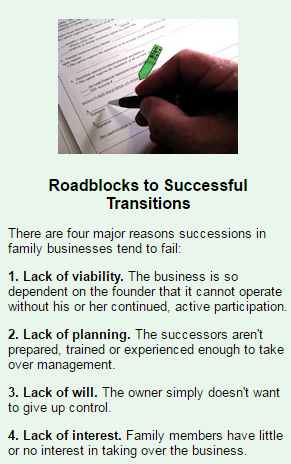
 When it comes time to transition your role as business owner to someone else, you’ll face many changes. One of them is becoming a mentor. As such, you’ll have to communicate clearly, show some patience and have a clear conception of what you want to accomplish before stepping down. Here are some tips on putting your successor in a position to succeed.